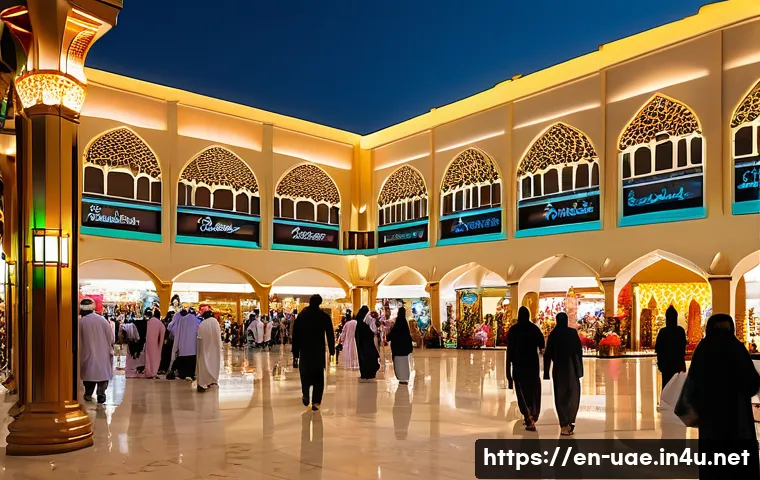
Hey there, fellow adventurers and culture enthusiasts! I’m so thrilled you’re here, diving into the incredible world of language and connection with me.
It feels like just yesterday I was struggling to order coffee in a new country, and now I absolutely live for those moments when a simple phrase can bridge a cultural gap and spark a genuine smile.
In our increasingly interconnected world, where remote work is blurring borders and travel is more accessible than ever, learning even a few basic phrases in a new language isn’t just a fun party trick—it’s a superpower.
It opens doors, creates unforgettable memories, and frankly, makes you feel like a local, not just a tourist. We’re seeing a massive shift globally towards appreciating diverse cultures, and with so many incredible places to explore, from bustling souks to serene deserts, the ability to connect on a human level is truly priceless.
It’s a trend I’ve personally experienced time and time again. This isn’t just about vocabulary; it’s about building trust, fostering understanding, and making the world feel a little smaller, a little friendlier.
When you make the effort, people genuinely notice and appreciate it, transforming an ordinary interaction into something truly special. Now, imagine stepping into a vibrant market or meeting someone new from an Arabic-speaking country.
A simple “hello” can make all the difference, immediately setting a warm, welcoming tone that smooths the way for everything else. It’s about showing respect and a genuine interest in their culture, which I’ve found always comes back to you tenfold in positive experiences.
Ready to unlock some of those incredible connections? Let’s dive in and learn how!
The Warm Embrace of “Marhaba”: Making Your First Connection
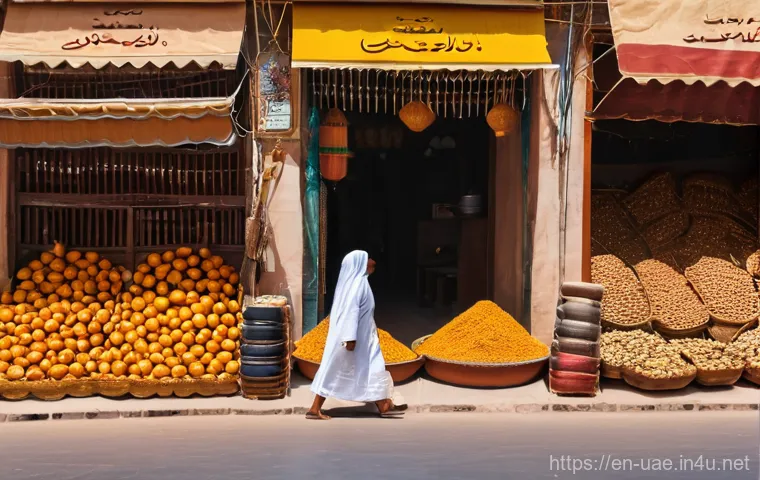
It’s an undeniable truth that a simple “hello” can open so many doors, and my travels have proven this time and again, especially in Arabic-speaking countries.
There’s a certain magic that happens when you utter your first word in someone else’s language. I remember stepping off the plane in Jordan, a little nervous about navigating a new culture, but the moment I managed to stammer out “Marhaba” to the taxi driver, his whole face lit up.
It felt like an instant connection, a genuine warmth that immediately put me at ease. This isn’t just about politeness; it’s about demonstrating respect and a genuine desire to engage, which, in my experience, is deeply appreciated and reciprocated.
It makes people feel seen, valued, and much more likely to help you out, share a story, or simply offer a wider smile. Honestly, it turns a potentially transactional interaction into a truly human one.
So, when you’re planning your next adventure to a place like Dubai, Morocco, or Egypt, don’t underestimate the power of starting with a warm “Marhaba.” It sets such a beautiful tone for everything that follows, transforming you from a mere visitor into someone actively participating in the local tapestry.
It’s an investment of effort that yields dividends in richer, more authentic experiences, and trust me, those are the memories you’ll truly cherish.
Greeting Everyone: “Marhaba” and its Versatility
“Marhaba” is probably the first Arabic word you’ll want to get comfortable with, and it’s a fantastic starting point because it’s so versatile. You can use it almost anywhere, with anyone, regardless of time of day.
It’s a general “hello” that fits comfortably in both formal and informal settings. I’ve used it to greet hotel staff, shopkeepers, fellow travelers, and even when meeting new acquaintances at a local café.
What I’ve personally noticed is that while there are more specific greetings for morning or evening, “Marhaba” always works, and people genuinely appreciate the effort.
It’s like a linguistic handshake, a universal sign of goodwill. When I first started learning, I felt a little self-conscious, but the positive reactions I received quickly boosted my confidence.
It’s empowering to feel that you can initiate a friendly interaction, and “Marhaba” is your best friend in that regard. It’s the cornerstone of building any kind of rapport and trust, especially in cultures where social graces and politeness are highly valued.
Why First Impressions Matter: Beyond Just Words
You know, first impressions aren’t just about what you say, but how you say it, and the underlying intent. When you offer a greeting in Arabic, even a simple one, it immediately conveys an open-mindedness and an appreciation for the local culture.
My trips have taught me that people in many Arabic-speaking countries are incredibly hospitable, and by making that small effort, you’re essentially tapping into that wellspring of generosity.
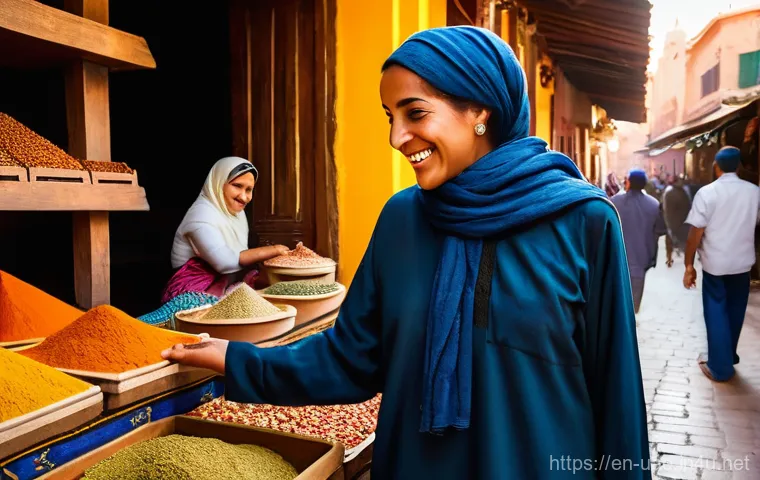
I remember being offered tea in a spice shop in Marrakech just because I started the conversation with “Marhaba.” It wasn’t about the transaction; it was about the connection.
This kind of respect often paves the way for deeper, more meaningful interactions, whether it’s getting a great recommendation for a local eatery or simply sharing a laugh.
It transforms an ordinary moment into something memorable and genuinely enriching. It’s about breaking down barriers and fostering an atmosphere of mutual respect, which makes every experience so much more enjoyable and authentic.
Beyond the Basics: Everyday Greetings and Well-Wishes
Once you’ve mastered “Marhaba,” you’ll quickly discover a whole new layer of connection through more specific greetings. It’s like adding different colors to your conversational palette, allowing you to express more nuance and genuinely engage with people throughout the day.
I’ve found that knowing just a few more phrases can dramatically shift how locals perceive you. Instead of just a passing tourist, you become someone who’s truly trying to immerse themselves, and that makes all the difference in the world.
It’s not just about politeness; it’s about showing you care about the rhythm of their day, their well-being, and their traditions. My personal experience has shown me that when I greet someone with “Sabah al-khair” in the morning, their response is often much warmer, and the ensuing conversation feels more natural and friendly.
It’s an easy win for building rapport and creating those delightful, unexpected moments of connection that make travel so rewarding.
Greeting the Day: “Sabah al-khair” and “Masa’ al-khair”
Imagine waking up in a bustling city like Cairo and being able to genuinely say “Sabah al-khair” (Good morning) to the person serving your coffee. It feels incredibly natural, almost like a secret handshake with the locals.
And as the day winds down, switching to “Masa’ al-khair” (Good evening) is equally effective. These time-specific greetings are more personal than a general “hello,” and people really notice the effort.
I’ve had many shopkeepers in bustling souks offer me a better deal or engage in a friendly chat just because I started with a culturally appropriate greeting.
It’s a small detail, but it speaks volumes. It shows you’re paying attention, that you respect their customs, and that you’re not just passing through.
For me, it transformed routine interactions into mini-cultural exchanges, and those are the moments that truly make a trip unforgettable. It’s a simple way to feel less like an outsider and more like you’re part of the daily flow.
Asking “How Are You?”: “Kayf Halak?” and its Replies
After the initial greeting, the next natural step is to ask how someone is doing, and in Arabic, “Kayf Halak?” (How are you?) is your go-to phrase for men, and “Kayf Halik?” for women.
What I’ve learned is that this isn’t just a rhetorical question; people genuinely appreciate you asking. And when they ask you in return, a simple “Alhamdulillah, bikhair” (Praise be to God, good) is a wonderful and culturally appropriate response.
It’s a beautiful reflection of the spiritual underpinnings of many Arabic cultures, acknowledging blessings even in a simple response. I remember once asking a shop owner in a small village in Oman “Kayf Halak?”, and he proceeded to tell me a lovely story about his day, offering me a small piece of fresh dates as we chatted.
It was a beautiful, unplanned interaction born purely from a simple inquiry about his well-being. It humanizes the interaction and transforms it from a transaction into a connection.
The Language of Kindness: Expressing Gratitude and Politeness
Politeness is truly a universal language, but knowing the specific phrases in Arabic can elevate your interactions to another level. It’s not just about being polite; it’s about acknowledging the inherent grace and hospitality that often defines interactions in Arabic-speaking countries.
My travels have reinforced that showing genuine appreciation and respect, even for the smallest gestures, can unlock incredible warmth and openness. I remember a time in a bustling market where a vendor went out of his way to help me find a particular spice.
When I thanked him with “Shukran,” his smile was genuine and expansive, and he even offered me a small sample of dates. It’s these tiny moments of authentic connection, fostered by a few well-chosen words, that make travel so much richer.
You know, it’s not just about saying the words; it’s about the feeling behind them, and when you convey that sincerity, it’s always received with open arms.
The Power of “Please” and “Thank You”: “Min Fadlak” and “Shukran”
These two words are absolute game-changers, and honestly, they’re probably the next most important phrases after “Marhaba.” “Min fadlak” (please, for a male) or “Min fadlik” (please, for a female) and “Shukran” (thank you) are your golden tickets to respectful and smooth interactions.
Whether you’re asking for directions, ordering food, or simply requesting help, using “Min fadlak/fadlik” softens your request and shows consideration.
And a heartfelt “Shukran” goes a very long way. I’ve observed that people in these cultures deeply value politeness, and by using these words, you’re not just speaking their language, you’re speaking to their values.
It creates a positive atmosphere and makes people much more willing to assist you or engage in friendly conversation. It’s a subtle but powerful way to show your respect and appreciation for their culture and hospitality, building bridges where language differences might otherwise create gaps.
Responding to Thanks: “Afwan” (You’re Welcome)
Just as important as saying “thank you” is knowing how to respond when someone thanks you. “Afwan” is the most common and polite way to say “you’re welcome” in Arabic.
It’s simple, direct, and universally understood. I remember once, after receiving help from a local in a bustling souk, they thanked me for my patience, and I was able to confidently reply “Afwan.” The brief exchange, punctuated by these polite words, left both of us with a sense of mutual respect.
It’s these small, smooth interactions that really build confidence in your language skills and make you feel more integrated into the local environment.
It reinforces the idea that communication is a two-way street, and being able to gracefully complete the cycle of politeness makes a significant impact on your overall experience.
It’s like putting the finishing touch on a delightful interaction.
| English Phrase | Arabic Transliteration | Arabic Script |
|---|---|---|
| Hello | Marhaba | مرحبا |
| Good Morning | Sabah al-khair | صباح الخير |
| Good Evening | Masa’ al-khair | مساء الخير |
| How Are You? (to a man) | Kayf Halak? | كيف حالك؟ |
| How Are You? (to a woman) | Kayf Halik? | كيف حالكِ؟ |
| I’m good, thanks | Alhamdulillah, bikhair, shukran | الحمد لله، بخير، شكرا |
| Please (to a man) | Min fadlak | من فضلك |
| Please (to a woman) | Min fadlik | من فضلكِ |
| Thank You | Shukran | شكرا |
| You’re Welcome | Afwan | عفواً |
Navigating Your Surroundings: Asking for Help and Directions
When you’re exploring a new city, getting a little lost or needing assistance is almost inevitable, and that’s where having a few key Arabic phrases really saves the day.
It’s one thing to point and gesture, but it’s another entirely to politely ask for help in the local language. My own adventures have taught me that people are almost always eager to help, especially when you show the effort to communicate.
I remember being hopelessly turned around in the narrow alleys of a souk in Muscat, and feeling a rising panic, until I gathered my courage and asked “Min fadlak, ayna…?” (Please, where is…?).
The immediate shift in the local’s demeanor from busy to helpful was remarkable. It transformed a potentially stressful situation into a friendly interaction, and I ended up getting not only directions but also a charming conversation about the local craftsmanship.
It’s these moments of overcoming communication hurdles that feel incredibly empowering and truly enrich the travel experience beyond what any guidebook could offer.
“Excuse Me” and “Sorry”: “Afwan” and “Aasif”
Just like in English, being able to politely get someone’s attention or apologize is crucial for smooth interactions. “Afwan” (which also means “you’re welcome”) can be used to say “excuse me” when you need to pass by someone or get their attention respectfully.
For apologizing, “Aasif” (for a male speaker) or “Aasifah” (for a female speaker) means “sorry.” These phrases are incredibly useful in crowded spaces, busy markets, or when you accidentally bump into someone.
I’ve found that even a quick “Aasif!” with a polite nod can de-escalate a potentially awkward situation instantly, showing that you’re aware of your surroundings and respectful of others.
It really demonstrates an understanding of social etiquette, which is highly regarded in many Arabic cultures. It’s about more than just the words; it’s about the non-verbal cues and the genuine intent behind your apology or request for attention.
Asking “Where is…?”: “Ayna…?”
This is one of those phrases that you absolutely need in your back pocket, especially when you’re navigating unfamiliar streets. “Ayna…?” (Where is…?) followed by the name of the place you’re looking for, is incredibly practical.
Whether you’re trying to find the nearest metro station, a specific landmark, or even a local restaurant, this phrase will be your lifeline. When I was exploring old Cairo, I needed to find a particular mosque, and simply pointing to the name on my map and asking “Ayna al-masjid?” was enough to get clear, helpful directions.
People often appreciate the effort to use their language, even if your pronunciation isn’t perfect. Don’t be shy about trying it out! It shows a genuine interest in your surroundings and a willingness to engage, which often leads to helpful responses and sometimes even offers of personal guidance.
It’s truly empowering to know you can ask for help effectively, even without full fluency.
Savoring the Flavors: Dining Out with Confidence
One of the absolute highlights of traveling is indulging in the local cuisine, and my experiences have shown me that being able to order food in Arabic makes the entire dining experience so much more authentic and enjoyable.
It transforms simply eating a meal into a cultural immersion, allowing you to connect with the restaurant staff and truly savor the local flavors. I remember my first time ordering falafel from a street vendor in Amman, and being able to confidently say “Wahid falafel, min fadlak” (One falafel, please).
The vendor’s grin was immediate, and I felt a burst of accomplishment. It’s these small victories that make the whole language-learning journey so rewarding.
It’s not just about getting what you want; it’s about participating in the local culture, showing respect for their traditions, and frankly, sometimes getting better service or a more generous portion!
Placing Your Order: “Ureed…” (I Want…) and “Min Fadlak”
When you’re ready to order, “Ureed…” (I want…) followed by the item you’d like, is a straightforward way to communicate your choice. Adding “Min fadlak/fadlik” (please) at the end, as always, adds that layer of politeness that goes a long way.
For example, “Ureed shawarma, min fadlak” (I want shawarma, please) is clear and respectful. Don’t forget to practice saying the names of your favorite dishes!
I’ve found that even if you butcher the pronunciation a little, the effort is genuinely appreciated. And hey, sometimes a little stumble can even spark a friendly laugh and a mini-language lesson from your server.
It makes the experience more memorable and personal. It’s all part of the adventure, and being able to participate in such a fundamental aspect of daily life, like eating, is incredibly satisfying.
Asking for the Bill: “Al-Hisab, min fadlak”
After enjoying a delicious meal, you’ll naturally need to ask for the bill. “Al-Hisab, min fadlak” (The bill, please) is the perfect phrase for this. It’s polite, clear, and ensures a smooth end to your dining experience.
I’ve personally found that using this phrase not only makes the process efficient but also shows respect to the waitstaff. It acknowledges their service in a culturally appropriate manner.
It’s those little touches that elevate your interactions from purely transactional to something more considerate and appreciative. It’s a simple phrase, but mastering it completes your dining ritual in a way that feels natural and polite, reflecting well on you as a respectful visitor.
Beyond Words: Understanding Cultural Nuances
Learning a language isn’t just about vocabulary and grammar; it’s deeply intertwined with understanding the culture, and my travels have repeatedly shown me how vital this is.
It’s about tuning into the unspoken, the gestures, and the traditions that give context to the words. Ignoring these nuances can sometimes lead to misunderstandings, but embracing them truly enriches your experience and helps you connect on a much deeper level.
I’ve learned that small cultural insights, like understanding greetings or gestures, are just as powerful as knowing a few phrases. They show respect and a genuine interest in the people and their way of life, which, in turn, opens doors to more authentic and memorable interactions.
It’s like finding the secret codes that unlock a richer, more meaningful engagement with a new place.
The Art of Handshakes and Personal Space
In many Arabic-speaking cultures, physical greetings, like handshakes, are common, but it’s important to observe and adapt. Generally, men shake hands with men, and women shake hands with women.
A handshake is often accompanied by a light touch of the heart as a sign of respect and warmth. However, it’s generally best to avoid initiating a handshake with someone of the opposite sex unless they extend their hand first.
This shows respect for cultural norms around modesty. Regarding personal space, it can often be closer than what you might be accustomed to in Western cultures.
Don’t be surprised if people stand a bit closer during conversations; it’s not an intrusion, but often a sign of closeness and engagement. My personal rule of thumb has always been to observe what locals do and follow suit, always erring on the side of respectful caution.
This mindfulness goes a long way in showing your respect and building trust.
Observing Modesty and Etiquette
Beyond greetings, understanding general modesty and etiquette is crucial. This can include anything from dressing modestly, especially when visiting religious sites, to understanding mealtime customs.
For instance, always accept refreshments offered to you, as refusing can be considered impolite. When eating, especially if sharing a communal meal, it’s customary to use your right hand, as the left hand is traditionally considered unclean.
These are not just rules but deeply ingrained cultural practices that reflect respect and community values. I remember being at a family gathering in the UAE and consciously trying to eat with my right hand, even though it felt a bit awkward at first.
The smiles and nods of approval I received made it clear that my effort was noticed and appreciated, making me feel like a welcomed guest rather than just an observer.
These small gestures of adherence to local customs build bridges and demonstrate your respect for their way of life.
My Personal Toolkit: Effective Learning Strategies
You might be wondering, “How do I actually learn all this without feeling overwhelmed?” Trust me, I’ve been there! The trick, I’ve found, isn’t about rigid study schedules but about integrating language learning into your daily life and making it enjoyable.
It’s about being consistent and curious, and not being afraid to make mistakes – that’s truly how we learn best. My personal journey has been filled with trial and error, but these strategies have consistently helped me pick up new languages and connect more deeply with the places I visit.
It’s less about being perfect and more about being persistent and open to new experiences. The goal isn’t fluency overnight, but rather building confidence and the ability to engage meaningfully, one phrase at a time.
It’s a Marathon, not a sprint, and every step forward, no matter how small, is a victory.
Leveraging Language Apps and Online Resources
In today’s digital age, we have an incredible array of tools at our fingertips. Language learning apps like Duolingo, Memrise, and even more specialized Arabic learning platforms have been indispensable for me.
They break down the language into manageable chunks, making it less daunting. I usually spend 15-20 minutes a day on an app, focusing on repetition and pronunciation.
Beyond apps, YouTube is a treasure trove of content. Look for channels that teach conversational Arabic or even travel vlogs where people are speaking the language.
I love watching videos of street interviews or daily life in Arabic-speaking countries; it really helps with immersion and picking up natural speech patterns.
These resources are fantastic for building a foundational vocabulary and getting comfortable with the sounds of the language before you even step foot in a new country.
The Art of Practice: Speaking with Locals and Language Exchange
There’s absolutely no substitute for practicing with native speakers. It’s where the rubber meets the road! While it might feel intimidating at first, I’ve found that most locals are incredibly patient and encouraging when you’re making an effort to speak their language.
Don’t be afraid to try out your new phrases in real-life situations. Order your coffee in Arabic, ask for directions, or simply exchange greetings. Even just a few words can spark a genuine conversation.
If you’re not traveling yet, look for language exchange partners online through platforms like Tandem or HelloTalk. I’ve made some wonderful friends and learned so much by simply chatting with people from different countries.
It’s truly the best way to gain confidence, understand natural conversational flow, and get immediate feedback on your pronunciation. Embrace every opportunity to speak, even if it’s just a little; every interaction is a step forward.
Embracing the Journey: Why Learning Arabic Phrases is Priceless
Stepping out of your comfort zone to learn a few basic Arabic phrases might seem like a small thing, but trust me, the ripple effects are profound. It’s not just about adding words to your vocabulary; it’s about opening your heart and mind to a whole new world of experiences and connections.
My personal journey has shown me that the effort you put into learning even a few phrases comes back to you tenfold in richer, more meaningful travel experiences and genuine human connections.
It transforms you from a passive observer into an active participant in the beautiful tapestry of global cultures. This isn’t just about making your travels easier; it’s about making them more human, more memorable, and ultimately, more rewarding.
It’s about building those bridges that transcend language and cultural divides, creating moments you’ll cherish long after your trip ends.
Fostering Deeper Connections and Mutual Understanding
When you make the effort to speak a few words of Arabic, you’re doing more than just communicating; you’re building a bridge of respect and understanding.
It tells people that you value their culture and are genuinely interested in connecting with them on a human level. I’ve found that these interactions often lead to unexpected kindness, invitations, and insights that you’d never get otherwise.
It’s about breaking down those initial barriers and finding common ground. It’s incredible how a simple “Shukran” can turn a transactional exchange into a moment of shared humanity.
These are the moments that truly make me feel like a global citizen, not just a tourist. It creates a sense of belonging and mutual appreciation that enriches not only your travel but your understanding of the world.
Enriching Your Travel: Beyond the Tourist Trail
Learning basic Arabic phrases allows you to step off the well-trodden tourist path and truly immerse yourself in the local way of life. You’ll feel more confident exploring local markets, interacting with street vendors, and trying authentic local eateries that might not cater to English speakers.
This is where the magic really happens – discovering hidden gems and experiencing the authentic pulse of a place. I’ve stumbled upon the most incredible local cafes and artisan workshops, simply because I felt confident enough to strike up a conversation in rudimentary Arabic.
It opens up avenues for discovery that remain closed to those who don’t make the effort. It’s about unlocking those truly unique, off-the-beaten-path experiences that transform a good trip into an extraordinary one, filled with stories you’ll be eager to share.
글을 마치며
And there you have it, my friends! Embarking on the adventure of learning even a handful of Arabic phrases is truly one of the most rewarding steps you can take to deepen your travel experiences. It’s not just about the words themselves; it’s about the genuine smiles, the unexpected conversations, and the unforgettable connections you’ll forge along the way. Trust me, the effort you put in will come back to you tenfold in richer memories and a broadened perspective of the world. So, go ahead, dive in, and let “Marhaba” open up a world of warmth and wonder for you!
알아두면 쓸모 있는 정보
1. Immerse Yourself in the Sounds: Before you even try to speak, spend some time just listening to Arabic. Watch movies, listen to music, or find podcasts. Getting accustomed to the rhythm and intonation of the language will make speaking feel much more natural when you start. It’s like tuning your ear before you pick up an instrument.
2. Create a “Phrasebook” for Your Trip: Instead of trying to learn everything, identify 10-15 key phrases you know you’ll use daily – greetings, thanks, directions, and ordering food. Write them down phonetically and practice them relentlessly. This small, focused effort will give you immediate confidence and practical application.
3. Embrace the Gestures: Communication is more than just words! Observe how locals use hand gestures, facial expressions, and body language. Often, a nod, a smile, or a respectful hand gesture can convey as much as a sentence, and using them correctly will enhance your spoken phrases.
4. Don’t Be Afraid of Your Accent: Seriously, don’t let the fear of imperfect pronunciation hold you back. Locals appreciate the effort much more than they’ll scrutinize your accent. Think of it as your unique signature on their language. A little chuckle or a friendly correction often leads to a more memorable and personal interaction.
5. Seek Out Local Interactions: Whether it’s striking up a conversation with a shopkeeper, asking a local for their favorite coffee spot, or simply complimenting a dish in Arabic, actively seek opportunities to use what you’ve learned. These real-world applications are where true learning and connection happen, far beyond the classroom or app.
중요 사항 정리
When venturing into Arabic-speaking countries, remember that a little effort in language goes an incredibly long way. Starting with simple greetings like “Marhaba” or “Sabah al-khair” immediately bridges cultural gaps and signals your respect and openness. Always prioritize politeness with “Shukran” for thanks and “Min fadlak” for please, as these are fundamental to gracious interactions. Don’t shy away from asking for help with “Ayna…?” if you’re lost or need assistance; locals are generally very willing to assist those who show an effort to communicate. Crucially, pay attention to cultural nuances such as appropriate handshakes, modest dress, and dining etiquette, as these non-verbal cues are just as impactful as your spoken words. Finally, make learning a part of your journey – leverage apps, practice daily, and most importantly, speak with locals. Each phrase learned and every interaction had will not only enrich your travel but also foster deeper, more meaningful human connections that last far beyond your trip.
Frequently Asked Questions (FAQ) 📖
Q: Why even bother learning a few
A: rabic phrases when so many people speak English, especially in tourist spots or business hubs? A1: Oh, this is a fantastic question and one I get asked all the time!
While it’s true you’ll find English speakers in many popular areas, especially in places like Dubai or big hotels, relying solely on English means you’re missing out on so much of the genuine experience.
From what I’ve personally seen, making the effort to speak even a few words of Arabic doesn’t just help you communicate; it literally lights up people’s faces!
It’s a sign of respect and genuine interest in their culture, which I’ve found opens doors to incredibly authentic interactions you just won’t get otherwise.
Think about haggling in a vibrant souk—a friendly “Shukran” (thank you) after a purchase can turn a transaction into a warm exchange. Or maybe asking for directions in a small village; a simple “Marhaba” (hello) can instantly make locals more welcoming and eager to help.
It’s about building bridges, feeling like an actual traveler, not just a visitor, and frankly, those moments are absolutely priceless. It transforms an ordinary trip into an unforgettable adventure, and that’s an experience I wouldn’t trade for anything!
Q: Arabic seems like such a complex language with so many different dialects. Where should a complete beginner even start, and how can I avoid getting overwhelmed?
A: You’re totally right, Arabic can seem a bit daunting at first glance, especially with its beautiful script and regional variations. I remember feeling exactly the same way when I first started looking into it!
But here’s the secret: you don’t need to aim for fluency right away, or even worry about all the dialects. For us adventurers and cultural explorers, the goal is simply to learn a handful of Modern Standard Arabic (MSA) phrases, which are widely understood across the Arab world.
Think of it as your common ground! My top tip? Start with the absolute basics that foster connection: “Salam alaikum” (peace be upon you/hello), “Kaifa haluk?” (how are you?), “Shukran” (thank you), “Min fadlik” (please), and “Na’am/La” (yes/no).
I personally found that focusing on just these few key phrases, practicing them daily with an app like Duolingo or even just repeating them to myself, made a huge difference.
Don’t stress about perfect pronunciation initially; the effort itself is appreciated! And honestly, the joy you get from successfully using a new phrase far outweighs any initial apprehension.
Just dive in and enjoy the process!
Q: I really want to be respectful, but I’m worried about accidentally saying or doing something culturally inappropriate.
A: ny tips on navigating cultural etiquette with my limited Arabic? A3: This is such an important and thoughtful concern, and it shows you’re already on the right track!
Being culturally sensitive is key, and frankly, people really appreciate the effort. My biggest piece of advice, beyond learning a few polite phrases, is to observe and mirror.
Watch how locals interact. A warm smile and an open demeanor go a long way, even if your Arabic isn’t perfect. Always use “Min fadlik” (please) when asking for something and “Shukran” (thank you) generously.
I’ve found that gestures like offering your right hand for greetings or giving and receiving items, and being mindful of conservative dress codes in certain areas, speak volumes.
And if you make a mistake? It happens! I once completely butchered a phrase, and instead of embarrassment, it turned into a lovely shared laugh with a shopkeeper who then kindly corrected me.
The key is sincerity. As long as you approach interactions with genuine respect and an eagerness to learn, people are incredibly forgiving and often delighted by your efforts.
Trust me, showing you care about their culture is the ultimate universal language.